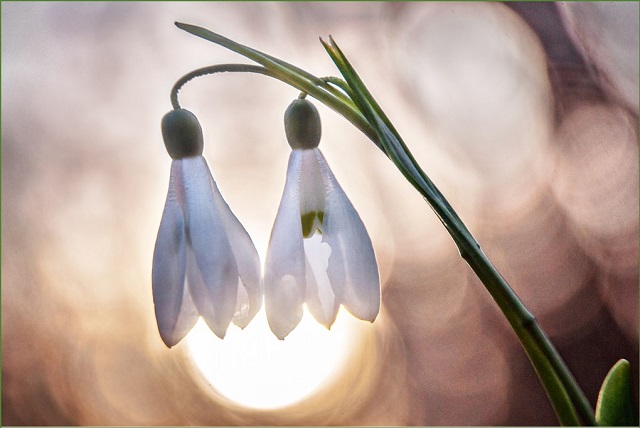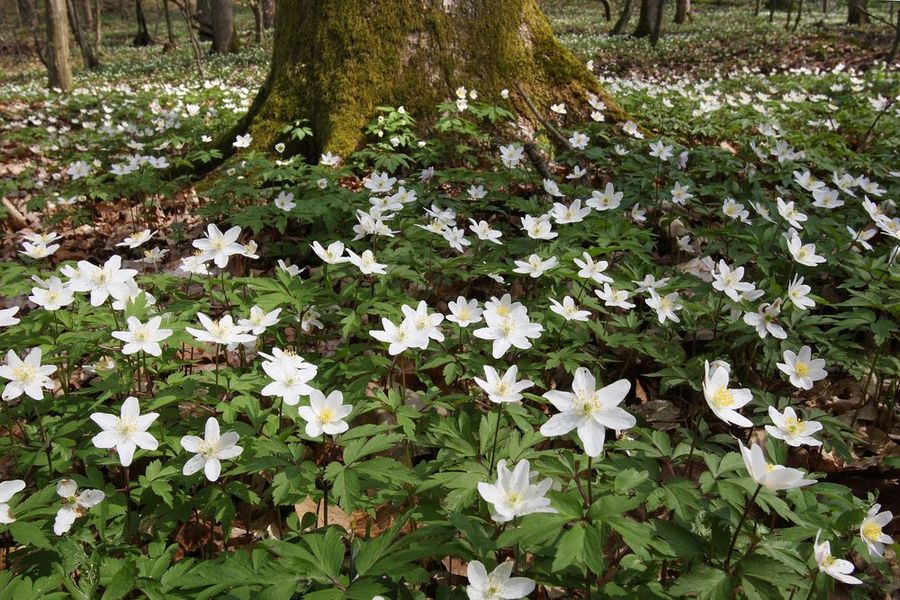
The appearance of primroses is the main harbinger of the coming of spring. Biologists call primroses (ephemeroids) early spring flowers that bloom even before leaves appear on the trees.
These plants are often insect-pollinated. Their bright flowers are clearly visible when the lower layers of the leafless forest are well lit. They usually bloom in April (in some warm years - from mid-March) until mid-May.
Among the primroses there are also plants included in the Red Book of Belarus - forest anemone, European swimsuit, meadow lumbago, open lumbago, basil foliage, marsh violet, bear's onion (ramson) and others.
After a long winter, yearning for sun and warmth, people rejoice at every green sprout and, going out into the forest, they certainly want to bring home a bouquet of primroses. But such “forest souvenirs” quickly fade, and around big cities these wonderful flowers are becoming less and less. Therefore, the problem of protecting early flowering plants is especially acute.
Primroses bloom for only a few weeks. During this short time, plants need to accumulate nutrients necessary for next year, ripening and dispersing seeds. For many species, the annual collection has caused a sharp reduction in their former distribution area.
In accordance with Article 24 of the Law of the Republic of Belarus “On the Flora”, unauthorized removal and replanting of wild plants belonging to the species included in the Red Book of the Republic of Belarus from their growing environment, their illegal trafficking, as well as their removal and other actions that may lead to their death, reduction in numbers or disruption of their habitat are prohibited.
For violation of the requirements of this article of the Law, the perpetrators are brought to administrative responsibility in accordance with Article 16.8 of the Code of Administrative Offenses of the Republic of Belarus.
Remember, by collecting and selling primroses, we destroy them, and by buying, we encourage “flower” poachers. It is better not to touch rare and early spring flowers: they are more beautiful in their natural environment. You shouldn’t tear them for bouquets; it’s better to admire them in nature and preserve this beauty for future generations. Everyone's refusal to buy endangered flowers will give them a chance to bloom every spring for many years to come. Protecting primroses is our common cause!